
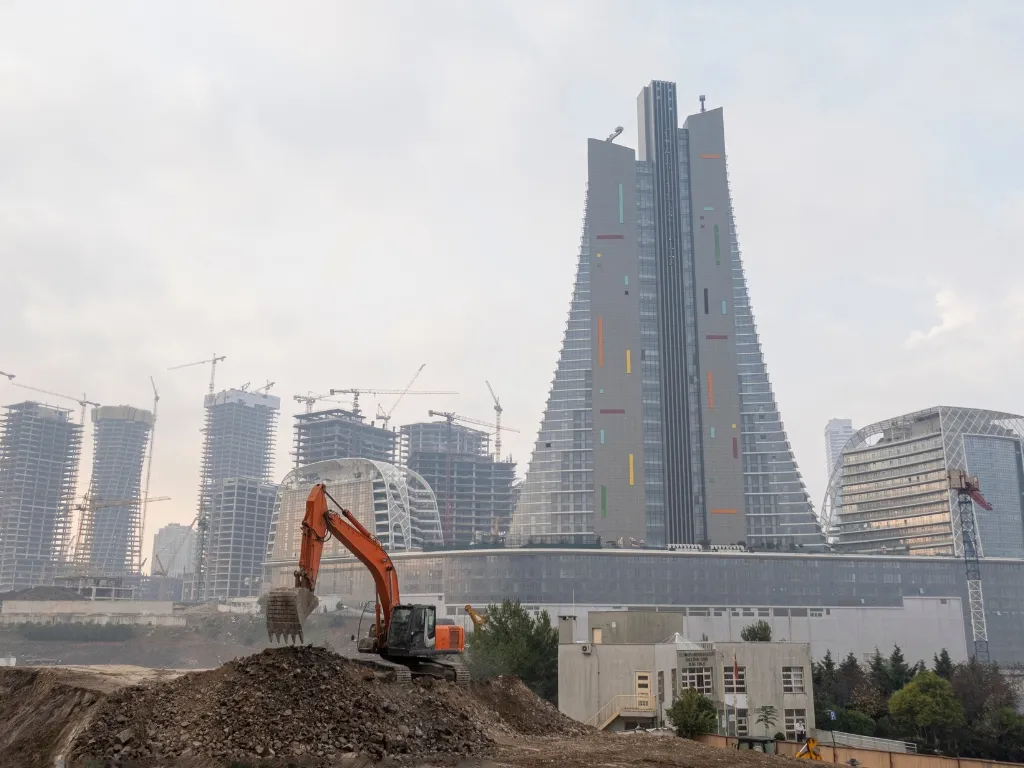
What is a construction mortgage?
Quick answer: A construction mortgage is a loan that pays for building a home in stages instead of all at once. The lender releases the money in draws as the work reaches set points, and you pay interest only on what has been drawn. In Canada you usually need 20% to 25% of the total project cost as a down payment, and land you already own counts toward it. When the home is finished, the loan is converted to a regular mortgage.
What is the difference between a progress draw mortgage and a completion mortgage?
| Progress draw mortgage | Completion mortgage | |
|---|---|---|
| Who it suits | Custom builds, self builds and major renovations | A new home bought from a builder |
| When the money is paid | In three to five draws as the build moves ahead | Once, when the home is finished and you take possession |
| What you pay during the build | Interest only on the money drawn so far | Nothing on the mortgage; the builder carries the cost and you pay deposits |
| Inspections | An appraiser confirms each stage before a draw | One final inspection or occupancy permit |
| Rate | Usually higher than a regular mortgage during the build | Regular mortgage rates, often held for the build period |
How do construction mortgage draws work in BC?
Each lender sets its own schedule, but most BC builds follow four stages. Before each draw, an appraiser visits the site and reports the percentage complete, and the lender advances money up to that point.
| Draw | Stage | Typical share of the build complete |
|---|---|---|
| 1 | Foundation poured and backfilled | About 15% |
| 2 | Lock up: framing, roof, windows and exterior doors | About 40% |
| 3 | Drywall, with plumbing, wiring and heating roughed in | About 65% |
| 4 | Completion and occupancy permit | 100% |
Because the money arrives after each stage is done, you need cash or trade credit to carry the work between draws. A holdback of 10% of each draw is common in BC under the Builders Lien Act and is released after the lien period ends.
How much down payment do you need for a construction mortgage in Canada?
Plan on 20% to 25% of the total cost, which is the land plus the cost to build. If you own the land outright, its value is your equity and may cover the whole down payment. Lenders also want a contingency of 10% to 15% of the budget for cost overruns. Self builders, acting as their own general contractor, face a smaller choice of lenders and often need more equity.
What are construction mortgage rates in 2026?
During the build, the rate is usually a floating rate set at prime plus a spread, and it is higher than a regular mortgage because the lender is advancing money on an unfinished home. A lender fee of about 1% of the loan is also common. Once the home is complete, the balance moves to a regular fixed or variable mortgage at the current mortgage rates in BC. Private construction loans cost more and suit builds that banks and credit unions will not take on.



What do lenders need to approve a construction mortgage?
- Building plans, permits and a fixed price contract or a detailed budget
- Proof of land ownership or the purchase contract for the lot
- The builder's licence and home warranty coverage, or an owner builder authorization in BC
- An appraisal of the finished value, done from the plans
- Income, credit and down payment documents, as for any mortgage
To estimate the loan and the interest during the build, use the construction mortgage calculator for BC. If you are buying a lot first, see buying land in BC and vacant land mortgages.
Talk to Asim about your mortgage
Call 604‑591‑3590 now, or send your details and Asim will reply within one business day.